
12 Cleaning Contract Questions to Ask First
A cleaning agreement should make life easier, not leave you wondering who is arriving, what they will clean, or why the final bill changed. The right cleaning contract questions turn a vague promise of a “clean space” into a dependable plan for your home, rental, office, or shared property.
Whether you need a weekly home clean, a move-out service, Airbnb turnovers, or janitorial support for a workplace, ask for clear answers before the first visit. A professional cleaning company should be comfortable putting expectations in writing.
Cleaning Contract Questions That Protect Your Budget
1. What is included in the quoted price?
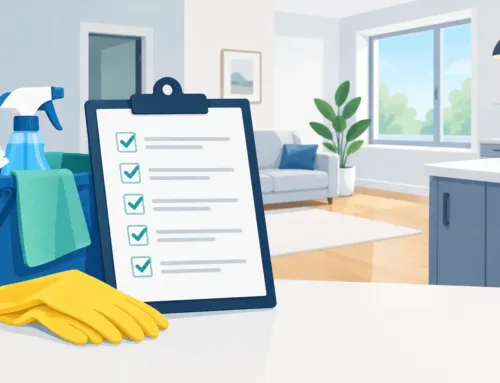
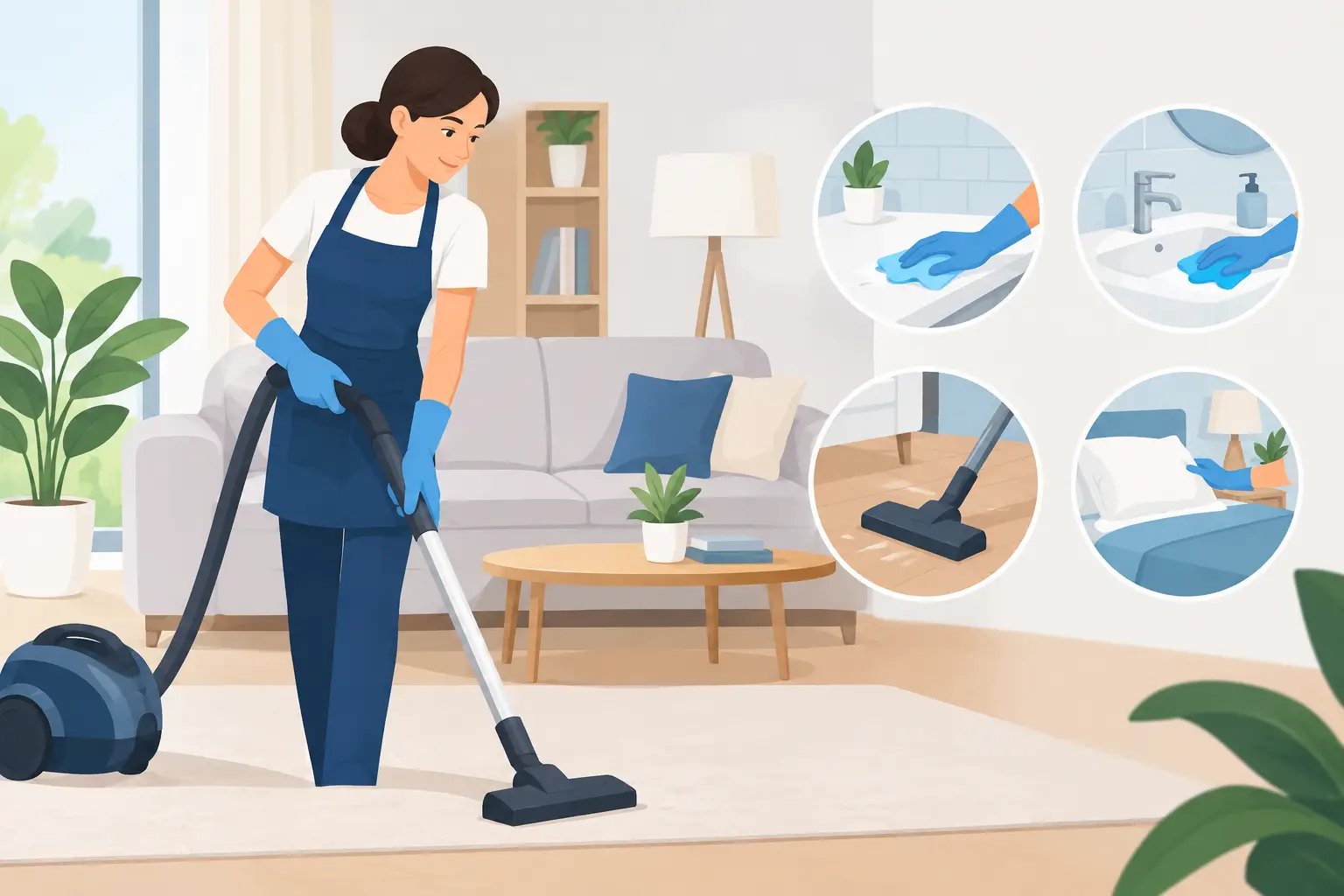
Start here. Ask for a room-by-room or task-by-task checklist that explains what the quoted service covers. For a standard home cleaning, that may include dusting accessible surfaces, vacuuming, mopping, bathroom cleaning, kitchen counters, and taking out trash. A deep clean may add baseboards, cabinet fronts, detailed bathroom buildup removal, and more attention to neglected areas.
The key word is included. Some companies quote a low starting price but treat common tasks as extras. Ask whether bathrooms, inside appliances, blinds, interior windows, laundry, dishes, or wall washing are included. If an item is not on the checklist, assume it is not part of the service until confirmed.
2. Is the price flat-rate, hourly, or based on time on site?
There is no single best pricing model. Flat-rate pricing is often easier for homeowners and renters because you know the cost before the cleaner arrives. Hourly cleaning can work well when you have a short list of priorities, such as cleaning a kitchen, preparing for guests, or focusing on a few problem areas.
For either model, ask what happens if the property takes longer than expected. Will the team contact you before adding time or costs? A clear answer prevents the awkward surprise of an invoice that does not match the original quote.
3. Are there additional fees I should expect?
Ask directly about travel charges, parking, supply fees, pet fees, heavy soil conditions, same-day booking fees, holiday rates, and disposal charges. For move-out and post-construction work, clarify whether sticker removal, paint splatter, adhesive, interior cabinets, or debris removal costs extra.
A transparent company will explain these situations upfront. “One price, no surprises” should mean the estimate identifies likely add-ons before work begins, not after the cleaners have left.
Questions About the Actual Cleaning Service
4. What cleaning checklist will the team follow?
A contract does not need pages of legal language to be useful. It does need a practical scope of work. Ask for the checklist used for your specific service type: recurring house cleaning, deep cleaning, apartment cleaning, vacation rental turnover, office janitorial work, or commercial common-area cleaning.
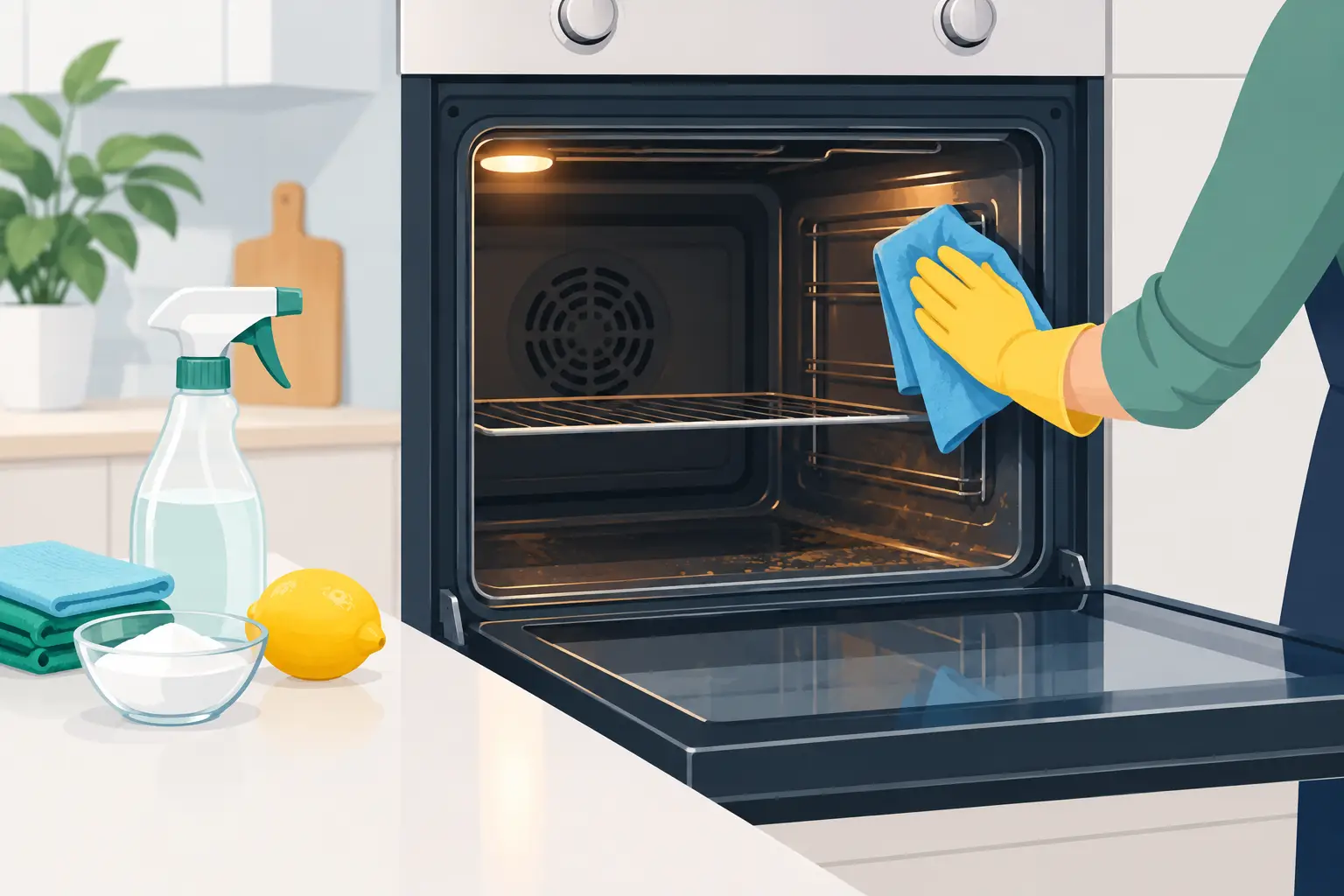
For recurring service, ask whether every visit follows the same checklist or whether tasks rotate. Rotating detail work can be a good value, but only if you know what is scheduled and when. If cleaning an oven, refrigerator, carpet, upholstery, or windows matters to you, make sure it is listed as an add-on or included service.
5. Can I set priorities for each visit?
Homes and workplaces change from week to week. One visit may need extra bathroom attention after houseguests; another may require more time in the kitchen or entryway. Ask how the company handles priorities and whether there is a simple way to leave instructions.
For commercial spaces, identify high-traffic areas and non-negotiable tasks. In a medical office, disinfecting protocols may matter most. In a retail store, floors and entry glass may be the first things customers notice. A good agreement makes room for these practical needs without creating confusion for the cleaning team.
6. Who provides supplies and equipment?
Most professional cleaners bring standard tools and products, but do not assume. Confirm who supplies vacuums, microfiber cloths, mop systems, trash liners, paper products, and specialty equipment. This matters even more in offices, strata buildings, schools, and larger facilities.
If you have allergies, young children, pets, or product preferences, ask what products are used. Eco-friendly products can be a smart choice for regular maintenance, but some heavy-duty jobs may require stronger products or more dwell time. Discuss those trade-offs before the service, especially if you need fragrance-free options or have sensitive surfaces such as natural stone, hardwood, or untreated wood.
Safety, Access, and Accountability Questions
7. Is the company insured, and are workers screened?
You are allowing people into a private home or an active workplace. Ask whether the company carries liability insurance and workers’ compensation coverage, and request confirmation if the job is significant or ongoing. This is especially important for property managers, strata councils, and commercial clients responsible for common areas.
Also ask how the company screens employees and contractors. Background checks, training, and clear supervision procedures help protect your property and give you more confidence when you are not there during the appointment.
8. How will access to the property be handled?
Discuss keys, lockboxes, alarm codes, parking access, elevator reservations, and building entry instructions before the first clean. Condo and apartment residents may need to reserve an elevator or notify the concierge. Short-term-rental hosts should explain guest schedules, linen locations, and where cleaners can report maintenance issues.
For offices and commercial buildings, define who can authorize access and where the cleaning team may work after hours. Good access instructions protect security while helping the team start on time.
9. What happens if something is damaged or missed?
Accidents are uncommon, but a professional response matters. Ask how to report damage, how quickly the company responds, and what documentation it needs. Take note of fragile items, antiques, loose fixtures, or surfaces with existing damage before the first appointment.
For missed work, ask about the satisfaction policy. A reasonable standard is that you notify the company promptly, provide details or photos when appropriate, and give it the chance to return and address the concern. A guarantee is most helpful when the process behind it is clear.
Scheduling and Contract Terms to Clarify
10. What is the arrival window and cancellation policy?
Punctuality matters when you are coordinating a move, meeting a landlord, preparing a rental for guests, or opening a business. Ask whether the company gives a specific appointment time or an arrival window, and how it communicates delays.
Then review cancellation terms. Find out how much notice is required to cancel or reschedule, whether there is a fee for last-minute changes, and what happens if the cleaning team cannot access the property. These policies should be fair, visible, and applied consistently.
11. Am I committing to a long-term contract?
Recurring cleaning is designed to keep a space consistently manageable, and many clients prefer a weekly, biweekly, or monthly schedule. Still, ask whether there is a minimum commitment, an early cancellation fee, or a required notice period.
For commercial cleaning, a longer agreement can provide stable staffing and predictable pricing. The trade-off is less flexibility, so ask how service levels, pricing, and performance concerns are reviewed over time. A short trial period can be useful when a property has complex needs or an existing cleaning issue to correct.
12. Who is my contact if service needs change?
You should know who to call or message when you need to add a service, change access instructions, report an issue, or pause recurring cleaning. A reliable provider has a clear point of contact and records special instructions so they do not get lost between visits.
For larger properties, ask how quality checks are handled. Routine inspections, supervisor check-ins, and documented service logs can make a major difference in shared buildings and commercial spaces where one missed task affects many people.
Bring the Answers Together Before You Book
Once you have answers, compare more than the price. The least expensive quote can become costly if it leaves out important tasks, relies on unclear hourly limits, or offers no workable response when something goes wrong. On the other hand, the highest quote is not automatically the best fit if it includes services you do not need.
Look for a provider that makes the scope, price, schedule, safety practices, and communication process easy to understand. At Speedy Sparkle Cleaning, that means clear service options, insured professionals, background-checked teams, and practical add-ons when your space needs more than a routine visit.
A well-written cleaning agreement is not about making the process formal for its own sake. It is about making your next clean feel predictable: the right team arrives, the agreed work gets done, and you can come back to a space that feels cared for.
About the author : Goldy Grewal

Goldy Grewal is the founder of Speedy Sparkle Cleaning Services, a Vancouver-based home and commercial cleaning company. Goldy started the business to bring honest, flat-rate pricing to Vancouver homeowners after seeing too many families hit with surprise hourly bills. With 5+ years of experience and 1,000+ cleans completed across Greater Vancouver, Goldy leads a fully insured ($2M liability), WorkSafe BC registered, background-checked team.