
Cleaner Task Limits: What’s Included at Home
A cleaner can make a dramatic difference in a few hours, but cleaner task limits still matter. A standard visit is designed to maintain a clean, comfortable home, not to solve every accumulated cleaning problem at once. Knowing what fits within your booked service helps you choose the right option, set priorities, and avoid surprises on cleaning day.
For busy households, renters preparing to move, and hosts turning over a short-term rental, the goal is simple: clear expectations, a fair price, and visible results. The best cleaning plan is the one that matches the condition of your space and the work that actually needs to be done.
What cleaner task limits usually mean
Task limits are not about cutting corners. They define the agreed scope of a service: which rooms are included, what tasks are covered, how much time is available, and what requires an add-on, additional time, or a different type of cleaning.
A routine home cleaning generally focuses on the surfaces and areas that need regular attention. This often includes dusting accessible surfaces, vacuuming and mopping floors, wiping kitchen counters, sanitizing sinks and toilets, cleaning shower and tub surfaces, taking out trash, and making the space look refreshed.
That scope works well for a home that is already reasonably maintained. It may not be enough for a neglected kitchen, heavy soap buildup in several bathrooms, a refrigerator full of spills, pet hair embedded in upholstery, or windows that have not been cleaned in months. Those jobs are still possible, but they need to be planned correctly.
Standard cleaning vs. deep cleaning
The biggest source of confusion is assuming a standard cleaning and a deep cleaning are the same service. They are not.
A standard cleaning is ideal for recurring appointments. Once a home has been brought to a clean baseline, regular visits help keep dust, crumbs, fingerprints, and bathroom buildup under control. This is often the most efficient choice for households that want a consistently tidy home without spending their weekends cleaning.
A deep cleaning allows more time and attention for detail work. It may include areas that are less frequently addressed, such as baseboards, doors, cabinet fronts, light switches, ledges, tougher bathroom buildup, and more thorough kitchen cleaning. The exact checklist can vary by provider and property condition, which is why it is wise to describe the space honestly when requesting a quote.
If your home has not had professional cleaning in a while, starting with a deep cleaning can be the practical choice. After that, recurring standard service is usually faster, easier to schedule, and more predictable in cost.
When a one-time service needs extra time
A one-time cleaning has more variables than a recurring visit. The number of rooms matters, but condition matters just as much. A two-bedroom condo that receives weekly upkeep may be completed more efficiently than a smaller apartment with heavy grease, extensive clutter, or significant pet hair.
Extra time may be needed when there is thick dust after renovations, hard-water scale in bathrooms, food residue inside appliances, buildup on blinds, or a large amount of items covering floors and counters. Cleaners need reasonable access to the surfaces they are expected to clean. Organizing personal belongings, sorting laundry, and decluttering are typically separate from cleaning unless this has been specifically arranged.
Tasks that often require an add-on
Some work falls outside a basic room-by-room cleaning because it takes specialized tools, additional time, or a higher level of detail. There is nothing unusual about this. It simply keeps pricing transparent and makes it easier to customize your visit.
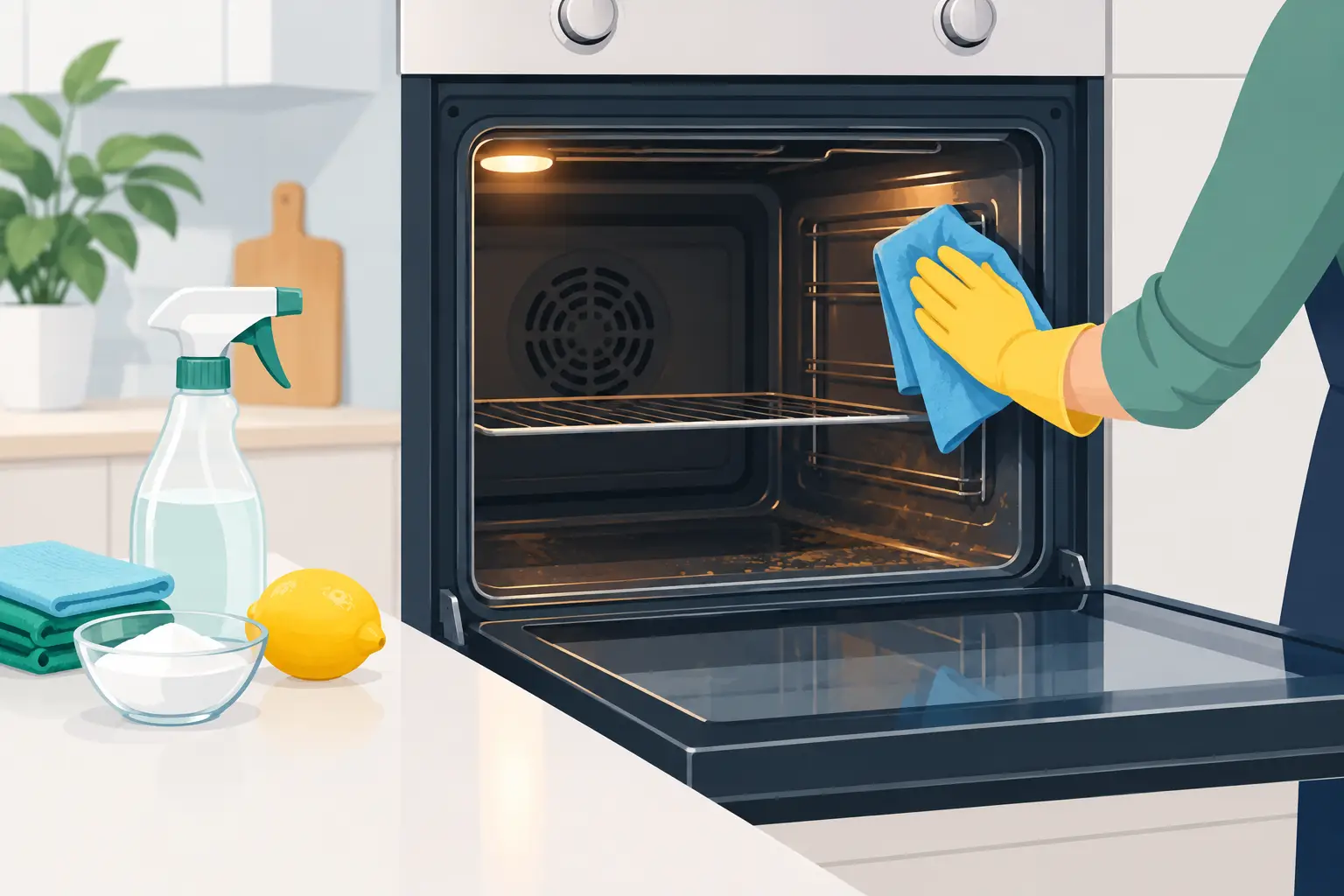
Common add-on tasks include oven interiors, refrigerator interiors, interior windows, carpet cleaning, upholstery cleaning, and detailed cleaning inside cabinets or drawers. Exterior window work, power washing, and post-construction cleanup may also require separate scheduling because the equipment, safety needs, and labor involved are different.
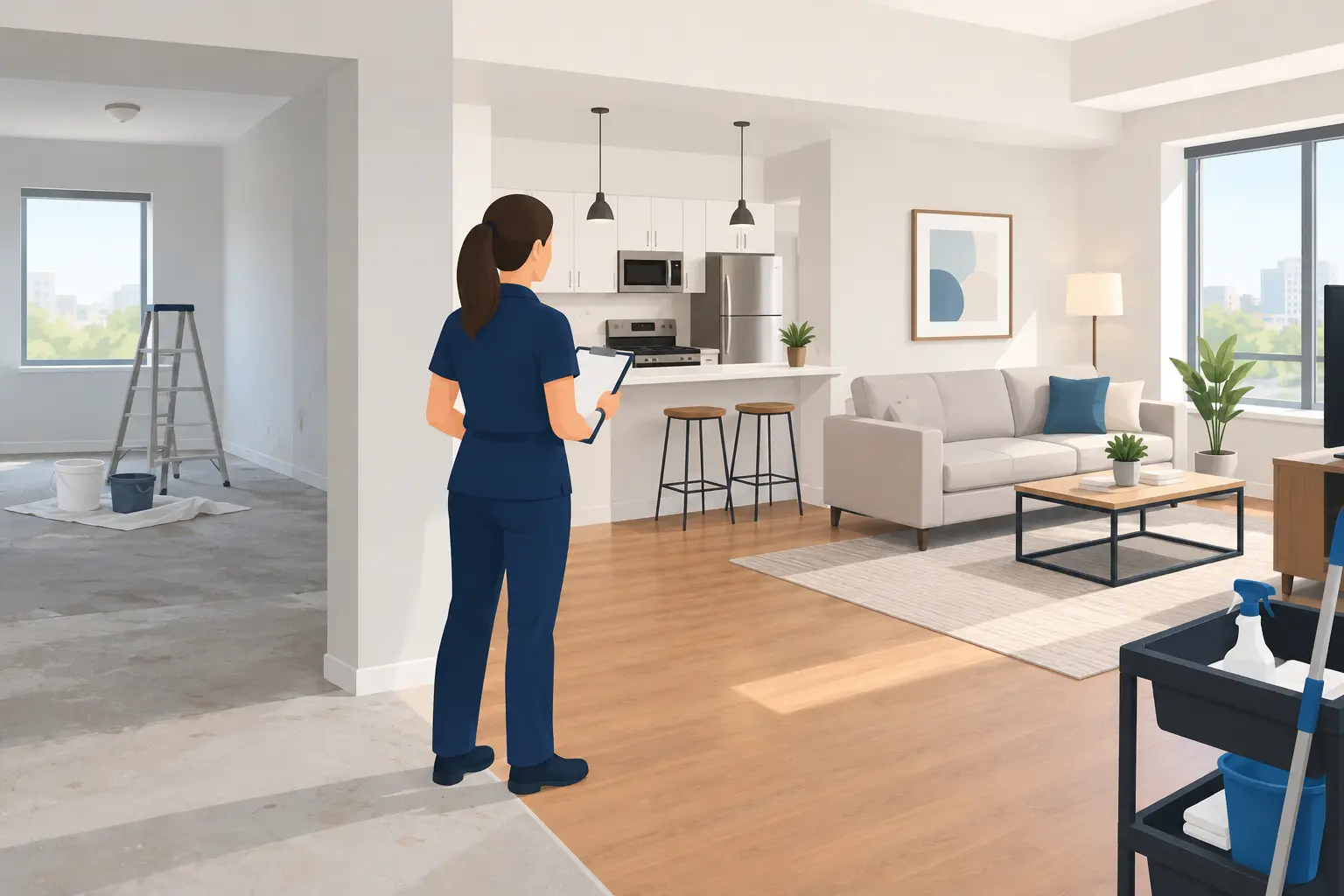
Move-in and move-out cleaning is another example. Landlords, tenants, and new homeowners often need a more comprehensive result than a weekly cleaning provides. The focus can include empty cabinets, appliances, fixtures, floors, and the overlooked buildup left behind in an unoccupied space. A clear move-out checklist is especially helpful when a security deposit or final inspection is involved.
Cleaner task limits that protect your home
Professional cleaning also has safety boundaries. A trustworthy company will be clear about tasks its team should not perform, even if the request seems small.
Cleaners generally should not climb on unstable furniture, use damaged ladders, handle hazardous waste, remove pests or animal waste that presents a health risk, or work around exposed electrical hazards. They may also be unable to clean areas blocked by excessive clutter, sharp objects, unsecured pets, or unsafe conditions.
Heavy lifting has limits, too. Moving a couch, refrigerator, or large bed can damage floors, furniture, or the cleaner’s back. If you want cleaning behind appliances or furniture, ask in advance what can safely be moved and whether the area should be cleared before the appointment.
These limits are part of responsible service, not a lack of effort. Insured, trained cleaners protect both the people in your home and the home itself by working within safe procedures.
How to get the most from your cleaning time
The most useful preparation is not a long to-do list. It is a short, honest conversation before the appointment. Tell the cleaning company about pets, parking or building access, the number of bathrooms, areas with heavy buildup, and any specific concerns such as grease, smoke residue, or a recent party.
Before the cleaner arrives, remove fragile items, valuables, important paperwork, and loose clutter from the areas you want cleaned. This gives the team room to work efficiently instead of spending paid time moving items from one surface to another. If a room is off-limits, say so clearly.
Priorities matter when time is limited. A family preparing for guests may care most about the kitchen, bathrooms, floors, and entryway. A condo owner may want special attention on the shower glass, stovetop, and dust-prone surfaces. An Airbnb host may need fresh linens, disinfected high-touch points, and a reliable visual reset before check-in.
Share your priorities at the start. If the team reaches a time limit before every optional task is complete, they can focus on the areas that make the biggest difference to you.
Be specific about the result you need
“Clean the kitchen” can mean very different things. It might mean wiping counters and cleaning the sink, or it might mean degreasing the range hood, cleaning inside the microwave, wiping cabinet fronts, and scrubbing the oven interior. The same is true for bathrooms, windows, and floors.
A good cleaning company will explain what is included before service begins and let you know if your request requires more time or an add-on. This is especially valuable with flat-rate cleaning, where the home size and service level should match the scope, and with hourly cleaning, where the task list must be prioritized.
Speedy Sparkle Cleaning approaches this with straightforward service options, clear task planning, and no-hidden-fee communication. Whether you need regular home upkeep, a detailed move-out clean, or targeted help with a kitchen or apartment, the right scope keeps the visit efficient and the result dependable.
When to adjust the plan
If a cleaner regularly runs out of time, that is useful information. It may mean the home needs an initial deep clean, your visit frequency needs to increase, or your current service needs more time. It can also mean that a few high-effort tasks should be scheduled as occasional add-ons rather than expected at every appointment.
There is a trade-off between cost, time, and detail. A shorter visit can keep expenses lower and handle the essentials. A longer appointment can cover more rooms or more detailed work. Neither choice is wrong, as long as the plan reflects the real condition of the property and your priorities.
The clearest path to a home that feels consistently cared for is to match the cleaning scope to the moment. Start with the tasks that affect your comfort most, be open about the condition of the space, and let a well-defined service do what it does best: give you back time and a cleaner place to come home to.
About the author : Goldy Grewal

Goldy Grewal is the founder of Speedy Sparkle Cleaning Services, a Vancouver-based home and commercial cleaning company. Goldy started the business to bring honest, flat-rate pricing to Vancouver homeowners after seeing too many families hit with surprise hourly bills. With 5+ years of experience and 1,000+ cleans completed across Greater Vancouver, Goldy leads a fully insured ($2M liability), WorkSafe BC registered, background-checked team.