
Landlord Cleaning Inspection Guide for BC Rentals
A missed stovetop spill, a dusty baseboard or a stained shower door can turn a routine turnover into a deposit dispute. This landlord cleaning inspection guide gives owners and property managers a practical way to assess condition, document it properly, and hand over a rental that is genuinely ready for the next tenant.
This is the landlord side of the process. If you are the outgoing tenant, our guide to what landlords can and cannot charge you for at move-out covers the same ground from the other direction.
Below you will find the room-by-room inspection table, the cleaning versus wear and tear distinction that decides most disputes, and the documentation that actually holds up.
The Standard You Are Inspecting Against
In British Columbia the standard is “reasonably clean”, not spotless and not professionally detailed. That matters because it sets the ceiling on what you can reasonably claim. A tenant is expected to return the unit clean, allowing for normal wear, and is not expected to leave it in better condition than they received it.
The practical consequence is that your inspection needs to separate two things that look similar on a condition report. Dirt, grease and residue are cleaning. Deterioration from ordinary use is wear. Deductions for the first are straightforward. Deductions for the second are where claims fall apart. For anything contested, the Residential Tenancy Branch is the authority rather than this article.
Cleaning or Wear and Tear?
This single distinction decides most disputes, so it is worth being clear before you walk the unit:
| Usually Cleaning (deductible) | Usually Wear and Tear (not deductible) |
|---|---|
| Baked-on oven grease and drip pans | Worn oven element or discoloured racks |
| Greasy range hood filter | Faded cabinet finish from age |
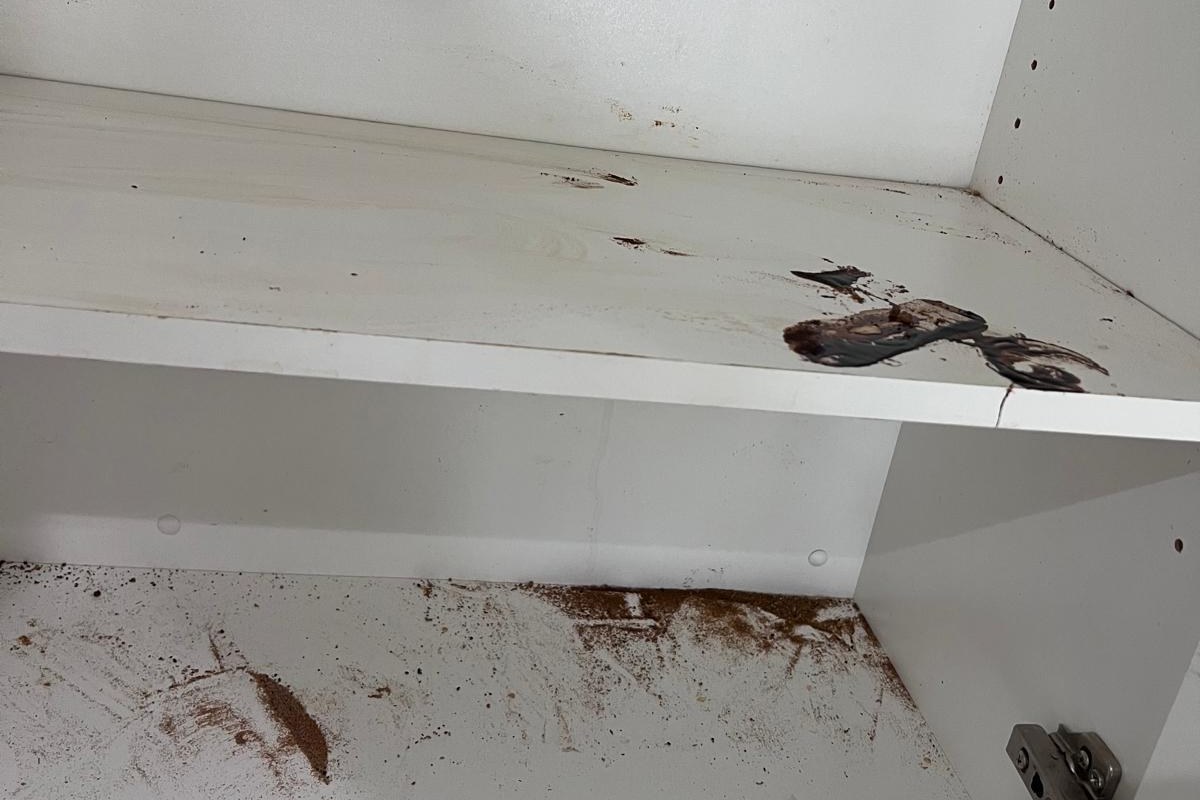
| Sticky cabinet interiors, crumbs in tracks | Scuffed paint in traffic areas |
| Soap scum and hard-water deposits | Grout worn thin with age |
| Carpet stains and pet odour | Flattened carpet in traffic lanes |
| Dust behind and under appliances | Minor nail holes from picture hooks |
| Balcony debris and marks on walls | Sun-faded flooring or blinds |
If an item sits in the right column, it is a maintenance cost rather than a tenant charge. Claiming for it is the fastest way to lose an otherwise reasonable claim, because it undermines the credibility of everything else on the report.
The Room-by-Room Inspection
Work the unit in a fixed order so nothing is skipped and your reports stay comparable between tenancies. Kitchen and bathrooms produce the overwhelming majority of findings.
| Area | Check | Dispute Risk |
|---|---|---|
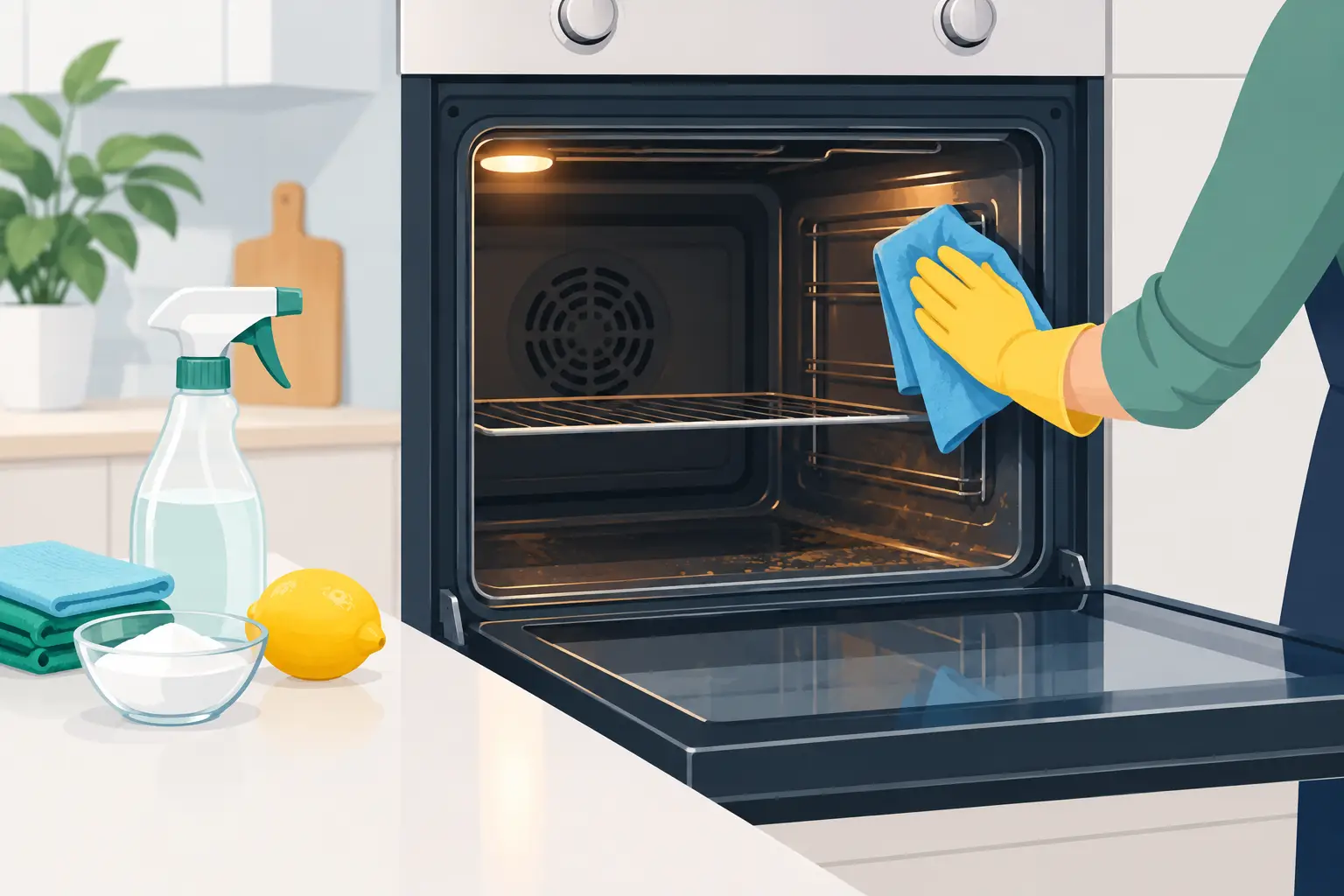
| Oven and cooktop | Cavity, door glass both sides, racks, drip pans, knobs | High |
| Range hood | Filter mesh, underside, surrounding wall | High |
| Refrigerator | Seals, shelf rails, under-drawer tray, odour, beneath unit | High |
| Cabinets and drawers | Interiors, tracks, handles, under-sink area | Medium |
| Bathrooms | Grout, shower door, toilet base and behind, extractor fan | Medium |
| Carpets | Stains, odour, traffic lanes, edges | High |
| Hard floors | Corners, under appliances, baseboards | Low |
| Windows | Tracks, sills, interior glass, blinds | Low |
| Walls and doors | Marks beyond normal scuffing, handles, switch plates | Medium |
| Balcony and storage | Debris, abandoned items, drain | Low |
The kitchen rows carry the highest dispute risk because they are unambiguous: grease and food residue are cleaning by any reading. Our tenant-facing guide to cleaning a rental kitchen before move-out lists the same items from the other side, which is useful to send to outgoing tenants in advance.
Documentation That Actually Holds Up
A claim is only as strong as the record behind it, and the record has to start at move-in rather than move-out.
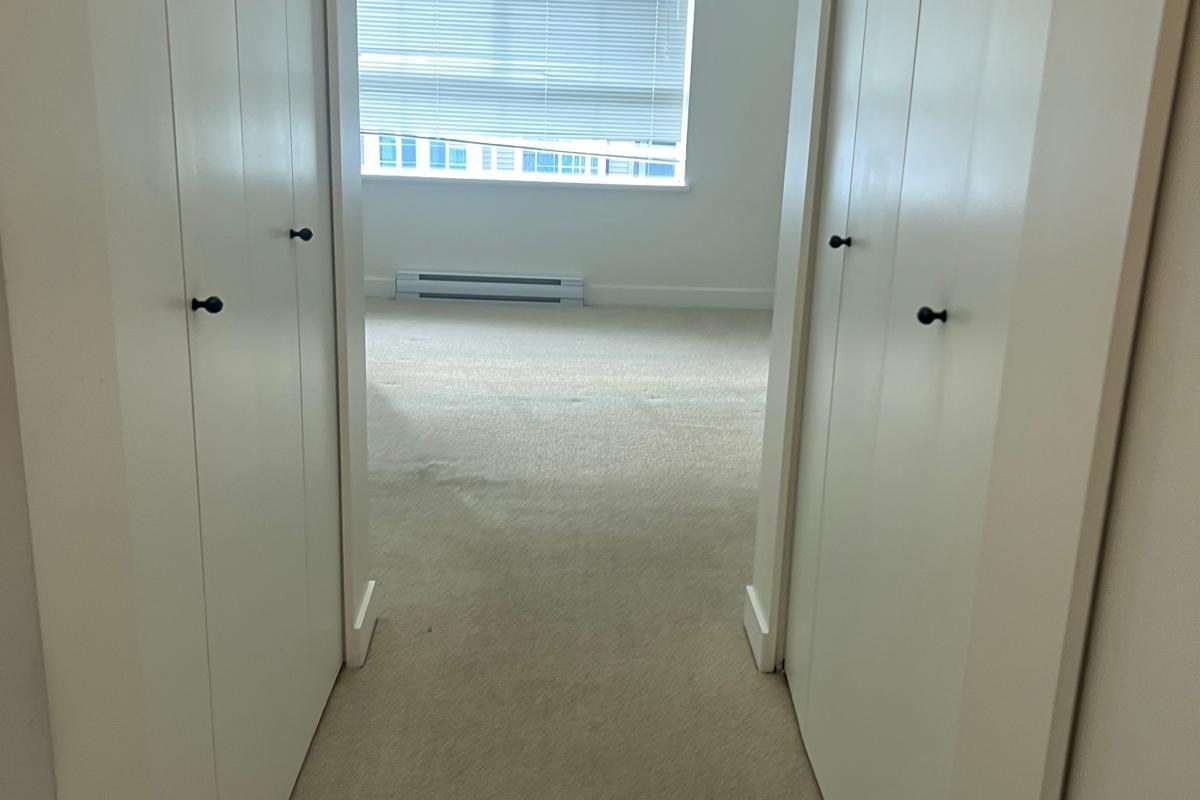
Complete a condition inspection report at the start of the tenancy with the tenant present, and photograph everything, including the items that are already imperfect. The pre-existing chip in the counter that nobody recorded is the one that costs you later. Date-stamped photographs of an empty unit, taken in good light, are the single most useful thing you can hold.
At move-out, repeat the process in the same order with the same framing so the two sets are directly comparable. Photograph findings individually and close enough to be legible. “The kitchen was dirty” is not a claim. An oven interior photographed at move-in and again at move-out is.
Where you engage a cleaner to remedy something, keep the invoice and make sure it itemises the work. A receipt that says “cleaning” supports far less than one listing oven interior, hood filter and carpet treatment.
Setting Expectations Before Move-Out
Most disputes are avoidable, and the cheapest way to avoid them is to tell the tenant what you will be checking before they start cleaning rather than after.
Send the inspection list two to three weeks ahead of the end of tenancy. Most tenants want their deposit back and will clean to a list if they are given one. The items they consistently miss without prompting are the oven, the range hood filter, inside the fridge, cabinet interiors and behind appliances. Our move-out cleaning checklist is written for tenants and can be sent as-is.
Be specific about the standard too. “Reasonably clean” is the legal test, and saying so manages expectations in both directions. It tells a tenant they do not need to hire professionals, and it tells them that leaving the oven untouched is not acceptable either.
When to Bring in a Professional Turnover Clean
Some turnovers are better handled by booking the clean yourself rather than pursuing a deduction. If the unit needs to be ready for a new tenancy within days, chasing a dispute does not get it let.
A professional move-in and move-out clean gives you a known standard, a fixed date and an itemised invoice, which is also the strongest possible supporting document if you do claim. Rates are flat by property size, starting at $249 plus tax for a unit up to 600 square feet and rising to $449 at 1,500 to 1,800 square feet. Inside the fridge is $25 plus tax and steam carpet cleaning is $50 plus tax per bedroom, which covers the two most commonly disputed items.
For a worked example of how a full unit turnover is sequenced, see our apartment turnover walkthrough. If you manage multiple units or a whole building, strata and multifamily cleaning covers the common areas alongside the suites.
Turnover Cleaning Across Metro Vancouver
We handle rental turnovers for landlords and property managers throughout the Lower Mainland, including Vancouver, Downtown Vancouver, Burnaby, Richmond, New Westminster, North Vancouver, Surrey and Coquitlam.
If you have a tenancy ending and a date to hit, get a flat-rate turnover quote and you will know the cost before the unit is empty.
Frequently Asked Questions
What can a landlord deduct for cleaning in BC?
Cleaning that was genuinely needed because of how the unit was left, measured against a “reasonably clean” standard. Grease, food residue, soap scum, carpet stains and pet odour are typically deductible. Normal wear and tear is not, and nor is cleaning that was already needed before the tenancy began.
What is the difference between cleaning and wear and tear?
Cleaning is dirt or residue that can be removed. Wear and tear is deterioration from ordinary use. Baked-on oven grease is cleaning. A discoloured oven rack is wear. Carpet stains are cleaning, flattened traffic lanes are wear. Claiming for wear tends to undermine the credibility of the whole claim.
What documentation do I need to support a deduction?
A condition inspection report completed with the tenant at move-in and again at move-out, date-stamped photographs taken in the same order and framing on both occasions, and an itemised invoice for any remedial cleaning. A receipt that simply says “cleaning” supports far less than one listing the specific work.
Which items do tenants miss most often?
The oven interior, the range hood filter, inside the fridge, cabinet interiors and drawer tracks, and the floor behind and under appliances. Sending the inspection list two to three weeks before the end of tenancy resolves most of these without any dispute at all.
Can I require a tenant to hire professional cleaners?
The standard in BC is “reasonably clean” rather than professionally cleaned, so a tenant who meets that standard themselves has met their obligation. You can of course tell them what you will be inspecting, which is usually more effective than requiring a particular method.
How much does a rental turnover clean cost?
Flat-rated by property size, starting at $249 plus tax for a unit up to 600 square feet and rising to $449 plus tax at 1,500 to 1,800 square feet. Inside the fridge is $25 plus tax and steam carpet cleaning is $50 plus tax per bedroom, which covers the two most commonly disputed items.
Related Cleaning Guides
- BC Tenancy Act: What Landlords Can Charge For at Move-Out
- An Apartment Turnover, Step by Step
- Move-Out Cleaning Checklist for Tenants
- How to Clean a Rental Kitchen Before Move-Out
- Move-In and Move-Out Cleaning Services
About the Author
Goldy Grewal, Founder of Speedy Sparkle Cleaning Services
Goldy Grewal founded Speedy Sparkle Cleaning Services to bring honest, flat-rate pricing to Vancouver homes and rentals. The team has completed over 1,000 cleans across Metro Vancouver, holds a 4.9 star rating from 79 plus reviews, carries $2M liability insurance, is WorkSafe BC registered, and is fully background checked.
About the author : Goldy Grewal

Goldy Grewal is the founder of Speedy Sparkle Cleaning Services, a Vancouver-based home and commercial cleaning company. Goldy started the business to bring honest, flat-rate pricing to Vancouver homeowners after seeing too many families hit with surprise hourly bills. With 5+ years of experience and 1,000+ cleans completed across Greater Vancouver, Goldy leads a fully insured ($2M liability), WorkSafe BC registered, background-checked team.