
How Often Should You Clean? A Room-by-Room Frequency Guide
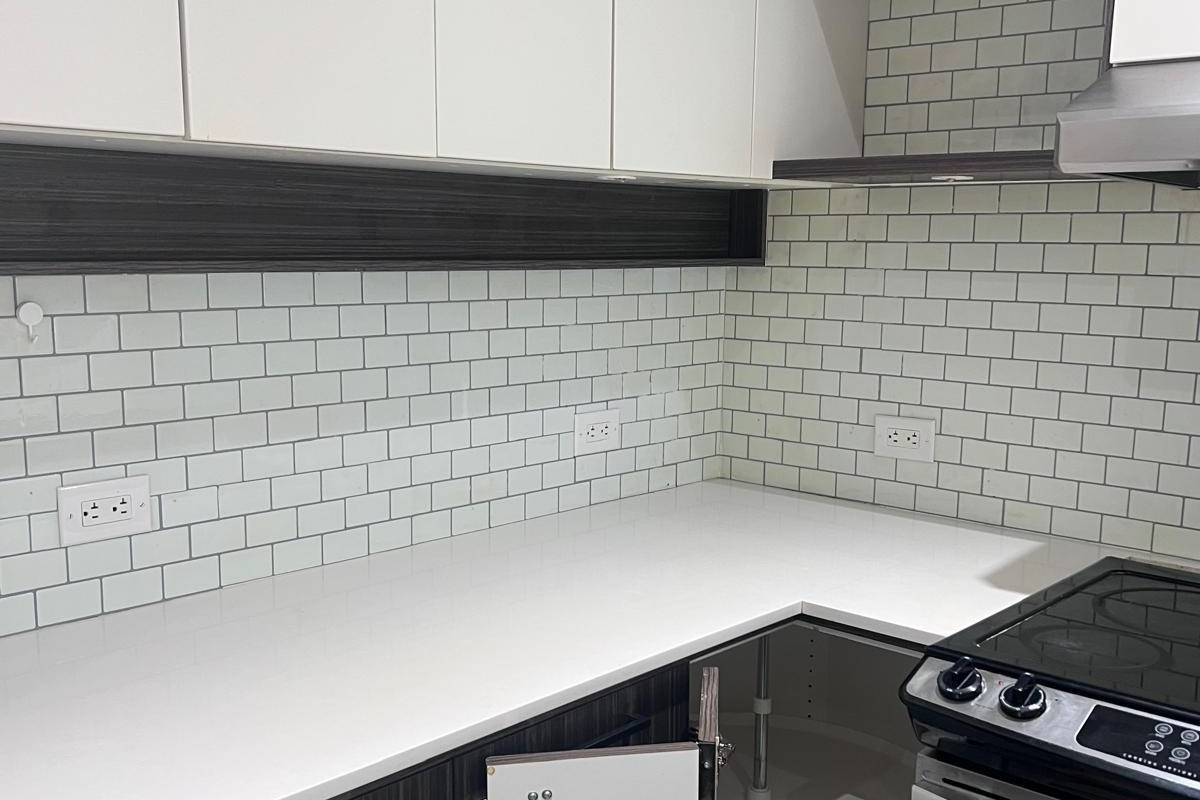
The kitchen counter looks fine on Monday. By Thursday it has mail, crumbs, coffee rings and a sticky patch near the toaster. That is why cleaning frequency matters more than one big cleaning day. A realistic routine stops mess becoming a stressful weekend project and keeps a home, rental or workplace ready for real life.
This guide gives you a room-by-room frequency table, the schedule that suits each type of household, how often rentals and offices actually need service, and the signs your current routine is not keeping up. If you only want the schedule, it is the first table below.
What Actually Sets the Right Frequency
Square footage matters, but daily activity matters more. A small apartment with two pets usually needs more attention than a larger home occupied by one person who travels. Start with how the space is used, not how big it is.
Kitchens and bathrooms need the most frequent care because they collect moisture, food residue and soap buildup. Entryways get dirty fastest, and in the Lower Mainland the wet season means floors and mats need attention far more often than most people expect. From October through March, an entry mat that was fine monthly in summer becomes a weekly job.
Household size changes everything downstream: more people means more dishes, laundry, fingerprints and bathroom use. Pets add fur, paw prints and odour. Allergies are their own factor, where regular vacuuming, dusting and upholstery care make a measurable difference to dander and dust.
Finally there is your own standard. Some people want a guest-ready home daily. Others are happy with a lived-in space as long as it is sanitary. Both are reasonable. The best routine is the one you can actually maintain without losing every free evening.
Room-by-Room Cleaning Frequency
A good schedule works in layers. High-use tasks happen often, detailed work happens less often. This is roughly how it falls for an average occupied home:
| Area or Task | Average Home | With Pets or Children | Why |
|---|---|---|---|
| Kitchen counters and sink | Daily | Daily | Food residue sets fast and attracts pests |
| Bathroom sink and faucet | Every 2 to 3 days | Daily | Toothpaste and hard-water residue bond quickly |
| Entryway floor and mats | Weekly (wet season: 2x) | Every 2 days | Grit tracked in scratches floors elsewhere |
| Toilets and showers | Weekly | Twice weekly | Soap scum and mineral buildup harden over time |
| Vacuum and mop floors | Weekly | Twice weekly | Grit grinds down flooring between cleans |
| Dusting reachable surfaces | Weekly | Weekly | Dander and dust accumulate within days |
| Bed linens | Weekly | Weekly | Hygiene and allergen control |
| Appliance exteriors | Weekly | Weekly | Grease film forms invisibly near the range |
| Baseboards and door frames | Monthly | Monthly | Low visibility until it is obvious |
| Inside microwave, ceiling fans | Monthly | Monthly | Buildup is gradual, not urgent |
| Interior glass and mirrors | Monthly | Twice monthly | Fingerprints are the first thing guests see |
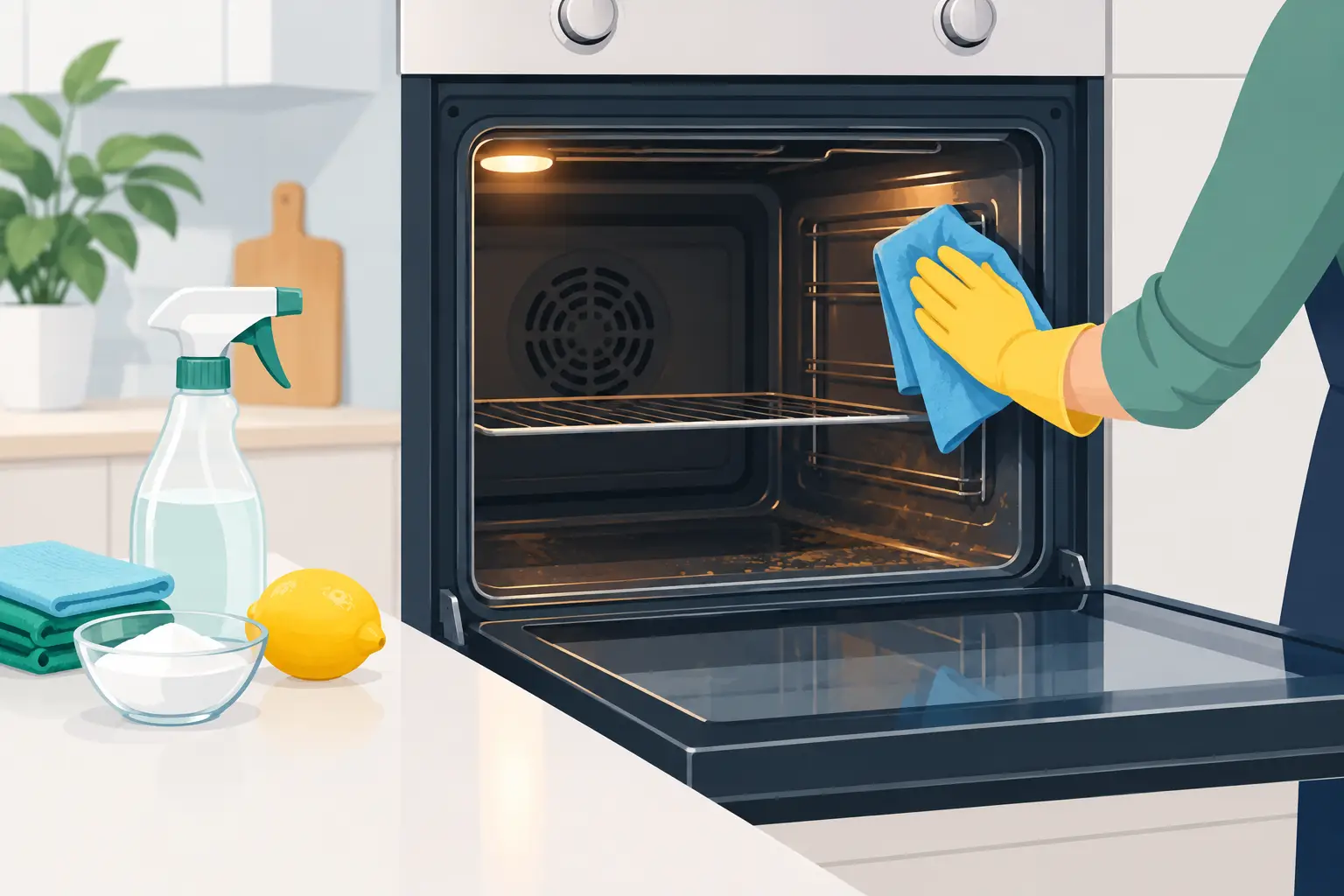
| Inside oven and fridge | Quarterly | Quarterly | Needs dwell time, not frequency |
| Window tracks, blinds, upholstery | Seasonally | Seasonally | Collects slowly, takes longer to reset |
| Carpet extraction | Annually | Twice yearly | Traffic lanes and odour |
Which Schedule Fits Your Household
The table above is the task list. This is the service interval that usually carries it:
| Household | Best Interval | What You Still Do Between Visits |
|---|---|---|
| One or two adults, no pets | Every 2 weeks | Dishes, spills, bins, quick floor touch-ups |
| Family with children | Weekly | Daily kitchen and entry sweep |
| Pet owners | Weekly | Vacuum traffic lanes mid-week |
| Frequent travellers or part-time occupancy | Monthly | Very little |
| Condo, light use, strong daily habits | Monthly | Bathroom and kitchen upkeep |
| Home that has fallen behind | Deep clean first, then recurring | Nothing until the reset is done |
If you are weighing the two most common intervals against each other, we worked the numbers through in biweekly versus monthly cleaning. If the question is whether to commit to a schedule at all, recurring versus one-time cleaning covers that choice instead.
One rule applies to every row above: if the home has fallen behind, start with a deep clean rather than a recurring visit. A maintenance clean cannot erase six months of buildup in one pass, and trying to make it do so is the most common reason people conclude recurring cleaning “does not work”.
Seasonal and Deep-Cleaning Tasks
Some areas do not need weekly attention but should not wait until moving day. Ovens, refrigerators, cabinet fronts, blinds, window tracks, upholstery, carpets, interior windows and behind-appliance areas are better handled seasonally.
A deep clean earns its place before hosting, after the holidays, at the start of spring, or when the regular routine has slipped. It resets the home so maintenance becomes easy again. What is included in a deep clean sets out exactly where the line falls, and add-ons for the fridge, oven, windows, carpet or upholstery make sense when one area needs more than the rest of the home.
Rentals and Shared Buildings
Short-term rentals work to a different standard because every guest arrives expecting a reset. Airbnb turnover cleaning happens after every stay, with attention to bathrooms, kitchens, floors, linens, high-touch surfaces and the details guests photograph: mirrors, handles, hair in the shower. A periodic deep clean is still needed for baseboards, upholstery, appliances and windows. Our guide to scheduling turnovers without gaps covers the timing.
Landlords and tenants both benefit from a focused clean before move-in or move-out. That is not routine maintenance, it is a detailed reset of empty cabinets, appliances, fixtures and floors. Book it early enough to leave room for repairs and a final walkthrough.
In condo and apartment buildings, entryways, elevators, halls, laundry rooms and garbage areas need frequency set by traffic. A building serving dozens of residents may need daily attention where a smaller one is fine with a few visits a week. There is more on how those schedules are built in strata cleaning across Metro Vancouver.
Offices and Commercial Spaces
Commercial cleaning frequency has to protect appearance and operations at once. An office staffed five days a week usually needs daily waste removal, restroom cleaning, kitchen cleaning and touchpoint disinfection, with vacuuming, floor care and dusting several times a week depending on traffic.
Medical offices, schools, daycares, gyms and retail generally need more, because hygiene and customer confidence are the same thing to a visitor. Warehouses need less desk and restroom work but more dust control, entrance care and attention to safety-sensitive floor areas.
For property managers, consistency beats an occasional intensive clean every time. A written checklist, dependable arrival times and a schedule matched to the building’s actual use produce far fewer complaints. Office cleaning in Vancouver works through the frequency question for workplaces specifically.
Signs You Need to Clean More Often
Adjust the schedule if you notice lingering odours, greasy kitchen surfaces, dull floors, bins overflowing before collection, visible dust within a day of cleaning, or bathrooms that never quite feel fresh. None of that means you are failing at housekeeping. It means the routine does not match the activity in the space.
Frequency should also flex for temporary pressure: a new baby, a new pet, recovery after illness, renovation dust, a run of houseguests, or a heavy work season. A schedule you can change beats one you abandon.
Recurring Cleaning Across Metro Vancouver
We run weekly, biweekly and monthly schedules across the Lower Mainland, including Vancouver, Downtown Vancouver, Burnaby, Richmond, North Vancouver, Surrey, Coquitlam and Langley. Recurring rates start at $199 plus tax for a home up to 600 square feet, and the full tier table is in our Vancouver house cleaning cost guide.
A clean home does not require a rigid routine or hours every weekend. Pick a frequency that fits the people, pets and traffic in your life, then change it when those change. If you want the interval matched to your home rather than guessed, get a flat-rate quote.
Frequently Asked Questions
How often should you clean your house?
Kitchen counters and spills daily, bathrooms and floors weekly, baseboards and interior glass monthly, and ovens, fridges, upholstery and window tracks quarterly or seasonally. Most one or two person households are well served by a professional visit every two weeks, while families and pet owners usually need weekly.
Is weekly or biweekly cleaning better?
Weekly suits families, pet owners and homes where people cook most days, because kitchens and bathrooms do not hold up for fourteen days under that load. Biweekly suits one or two adults without pets who handle dishes, spills and bins between visits. The deciding factor is traffic, not floor area.
How often should I deep clean my home?
Once or twice a year for a home on a regular recurring schedule, plus a deep clean before hosting, after renovation work, or whenever the routine has slipped badly. A home with no recurring service generally needs one every three to four months to stay on top of buildup.
Does cleaning frequency need to change in winter?
Yes, particularly entryways and floors. Lower Mainland rain brings in water, grit and leaves, so entry mats and hard floors that coped with monthly attention in summer often need weekly care from October through March. The rest of the schedule can usually stay as it is.
How often should an office be cleaned?
An office staffed five days a week typically needs daily waste removal, restroom and kitchen cleaning, with vacuuming and dusting two or three times weekly. Client-facing spaces, clinics, schools and gyms are generally cleaned nightly. Low-occupancy and hybrid offices can work on a weekly or biweekly schedule.
What happens if I stretch the interval too far?
Maintenance cleaning turns into recovery cleaning. Grease, soap scum and hard-water deposits bond to surfaces over weeks and then need dwell time and a deep clean to remove, which costs more than the visits you skipped. Bathrooms and kitchen floors show it first.
Related Cleaning Guides
- Biweekly vs Monthly Cleaning: Which Interval Fits
- Recurring vs One-Time Cleaning
- What Is Included in a Deep Clean?
- How Much Does House Cleaning Cost in Vancouver?
- Recurring Maid Services
About the Author
Goldy Grewal, Founder of Speedy Sparkle Cleaning Services
Goldy Grewal founded Speedy Sparkle Cleaning Services to bring honest, flat-rate pricing to Vancouver homes. The team has completed over 1,000 cleans across Metro Vancouver, holds a 4.9 star rating from 79 plus reviews, carries $2M liability insurance, is WorkSafe BC registered, and is fully background checked.
About the author : Goldy Grewal

Goldy Grewal is the founder of Speedy Sparkle Cleaning Services, a Vancouver-based home and commercial cleaning company. Goldy started the business to bring honest, flat-rate pricing to Vancouver homeowners after seeing too many families hit with surprise hourly bills. With 5+ years of experience and 1,000+ cleans completed across Greater Vancouver, Goldy leads a fully insured ($2M liability), WorkSafe BC registered, background-checked team.